Most people misunderstand capitalism because they’ve never learned what it actually is. At its core, it’s just people choosing—like kids trading cookies by choice, not by force.
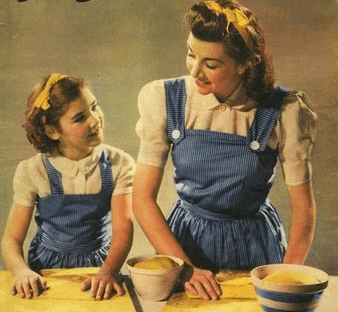
Most people misunderstand capitalism because they’ve never learned what it actually is. At its core, it’s just people choosing—like kids trading cookies by choice, not by force.
What passes for conservatism today is increasingly unrecognizable. Empire is being sold as strength. Endless intervention is being dressed up as “America First.” And anyone who objects is dismissed as weak, liberal, or naïve. Tom Woods is right to sound the alarm. True conservatism was never about ruling the world. It was about limits—moral, constitutional, and human. The Founders warned explicitly against foreign entanglements not because they were indifferent to evil, but because they understood something we have forgotten: a nation that tries to manage the world will inevitably lose the ability to govern itself. Empire does not make a people great. It makes them distracted, indebted, and morally hollow. It drains families at home and shatters families abroad, all while calling the sacrifice “patriotism.” America was not founded to be feared. It was founded to be free.
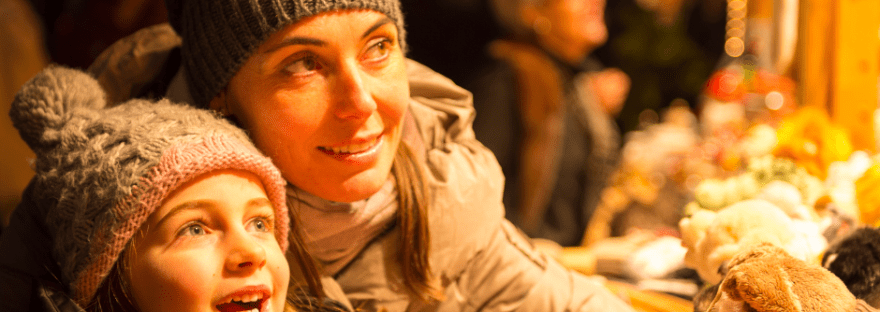
Economics is not first learned in classrooms, markets, or ballot boxes. It is learned in the home. Long before children encounter taxes, debt, or inflation, they are already forming beliefs about money, work, fairness, and responsibility. If parents do not teach these truths deliberately, the State and the screen will fill the vacuum — and they will not teach freedom. Children must learn early the difference between voluntary help and forced redistribution, between charity and control, between earning and entitlement. These lessons do not require jargon or ideology. They require only simple questions, lived examples, and the courage to tell the truth plainly. A child who understands choice, consequence, and scarcity does not grow into a cruel adult. They grow into a competent one. And competence, not sentiment, is the foundation of a free society.
History did not begin with a workers’ uprising against greedy factory owners. It began with aristocrats furious that ordinary men could finally earn more than a peasant’s wage. The first class warriors were not laborers — they were lords. When capitalism started lifting the poor, the privileged revolted, not to protect the weak, but to preserve their own place at the top. The great scandal of capitalism was not poverty; it was the escape from poverty.
Inflation disproportionately impacts families, eroding their purchasing power while benefiting elites. It results from government overspending, culminating in wealth transfer from the working class to the affluent. This financial injustice perpetuates class warfare and undermines future security. A virtuous economy demands honesty, restraint, and moral responsibility to restore balance and ensure prosperity.
Central planning fails because it disregards real prices, which reflect true consumer demand. The market reveals preferences through voluntary choices, while government interventions lead to resource misallocation and shortages. Historical examples demonstrate that understanding individual needs is essential for effective economic outcomes, as only freedom can accurately convey value.
 thehearthofvirtue.com