Pure capitalism—before it was changed and controlled by government rules—was not created by rich and powerful grown ups wearing fancy suits and sitting in fancy offices.
Capitalism did not begin as a money-system for the rich or well-connected.
First of all:
Economics is simply how people decide what to do with what they have—what belongs to them— what they own.
Let’s make it so simple a child could understand.
Capitalism is free-market economics and ownership, and it means this:
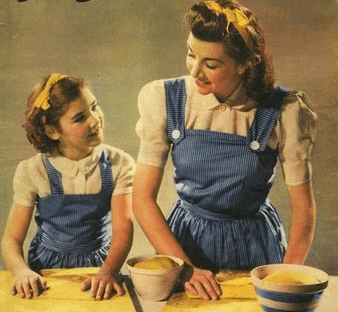
If you bake cookies and your friend wants one, she gives you something in return—maybe a toy, a drawing, help with chores, or even a dollar.
If she doesn’t want a cookie, she doesn’t have to take one.
No one forces either of you to trade.
That simple freedom; to offer, to accept, or to walk away, is the free market.
In real life, you will probably share your cookies for free—and that’s good.
Unless you own a cookie shop, you usually don’t bake cookies for friends to trade. Cookies are most often a gift.
A gift is something that belongs to you that you choose to give away for free.
That is called sharing.
This example is just a simple way to see and practice how capitalism, free choice, free markets and trade work.
The cookies belong to you because you made them.
That means you get to decide what happens to them; whether you give them away, trade them, save them, or eat all the cookies yourself. The choice is yours when the cookies are your cookies:
Because if you baked the cookies, they are your cookies; choice only matters when something truly belongs to you.
(Unless you work in a cookie shop, then the cookies you bake belong to the shop owner—but that’s a lesson for later.)
When people are free to trade like this, certain patterns naturally follow:
- Do good work, so others will choose them (you try to bake the best cookies you can, because friends can choose whose cookies they want)
- Be fair, because people walk away when trust is broken (if you say the cookies are chocolate chip but they’re not, friends stop trading with you—and that’s reasonable)
- Fix mistakes, because bad choices have consequences (burnt cookies mean trying again; good cookies and good manners bring people back)
In a free market:
- You keep what you earn (if you bake the cookies, they’re yours to trade or save)
- You learn from mistakes (burnt cookies teach you to lower the oven next time)
- Helping others is voluntary, not forced (you share cookies because you want to, not because someone takes them)
- Cheating and waste don’t last long (if you lie about the cookies or throw them away, people stop asking for yours)
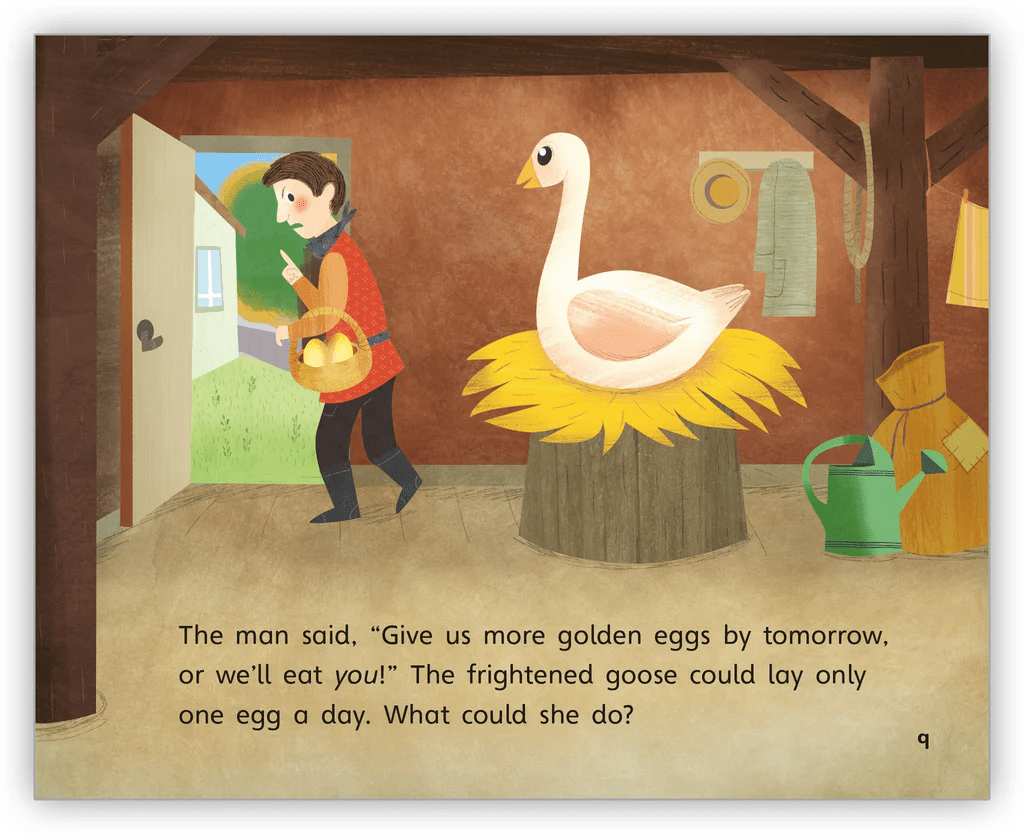
Anyone who has ever heard a fable or a fairy tale knows this rule:
what looks like a solution in the moment often causes unseen problems later.
As the economist Henry Hazlitt famously taught, the most important rule is this:
Always look at what happens next and next after that—and to everyone—not just at what looks good right now.
That is why free markets work better than bossy, controlled systems.
They allow people to learn, choose, and improve over time—just like kids with cookies—instead of assuming everyone must be managed and corrected at every step.
In short:
Free markets are simply people cooperating peacefully; baking, trading, learning, and choosing, without being pushed by mom, nanny, or government.
A good mother does not micromanage cookie trades or confiscate the reward once the cookies are baked.
She understands that learning requires freedom—and ownership.
Remove either, and the whole lesson collapses.
Mrs. Armstrong — The Hearth of Virtue

 thehearthofvirtue.com