Who pays for the illusions of corporatist elites? Always the families whose budgets can’t lie.
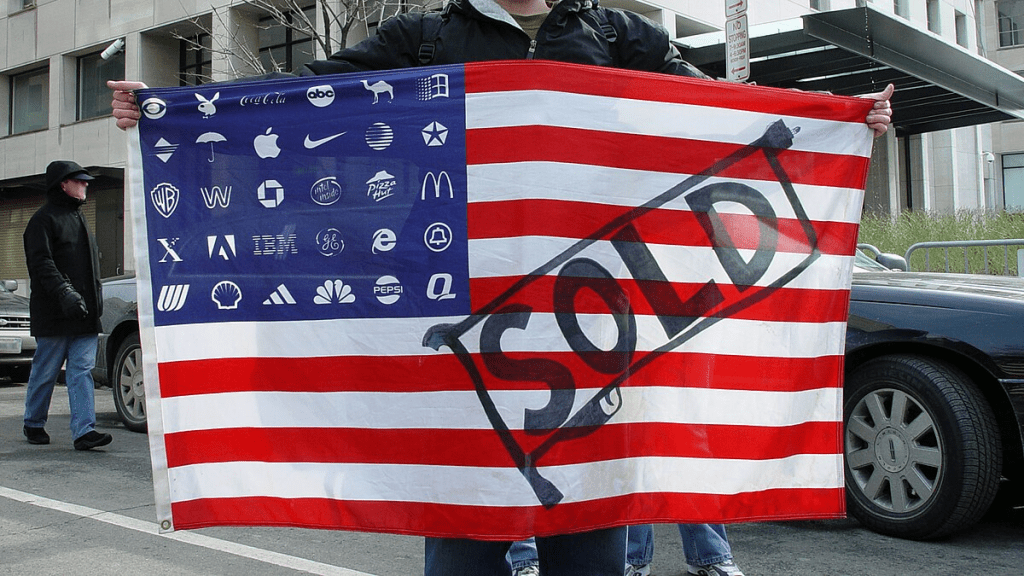
❧ Inflation is legalized counterfeiting ; the State robs the people while insisting it performed a miracle.
There is a reason politicians love printing money: it feels like power without effort, generosity without sacrifice, and prosperity without work.
But inflation is theft. And the bill always arrives at the house that can least afford it.
Inflation is the most unjust tax: it punishes prudence and rewards political deceit.
The veneer of “free checks” and “stimulus” hides a brutal truth real economists have been shouting for a century: every new dollar the government prints steals purchasing power from the dollars already earned by ordinary people. The elites congratulate themselves for “saving the economy,” while the grocery bill, the rent payment, and the gas tank expose the lie.
Inflation is the punishment for believing that wishing makes wealth. But, economics has a moral law baked into it: Someone always pays. And in a corrupt system, that “someone” is never the bureaucrat who caused the damage.
❧ Illusion #1: “We Can Create Wealth by Printing It.”
If printing money created prosperity, Zimbabwe and Venezuela would be the richest nations on earth. Instead, they destroyed their currencies, their savings, and their middle class. Why?
Because wealth is what human beings build; not what bureaucrats type into a spreadsheet. Inflation is not an accident of the market; it is the predictable result of a government spending far more than it is willing to admit through taxation.
When politicians fear the anger that comes from openly raising taxes, they simply do it secretly — by printing money. Inflation is taxation: it steals what people already earned instead of openly confiscating it. The difference is only in the honesty of the theft.
“Inflation is taxation without legislation.”
— Milton Friedman
Austrian economists are even blunter: Taxation is force. Inflation is force wearing a mask.
“All government spending ultimately comes from one of two sources: taxation or inflation. One is robbery in daylight; the other is counterfeiting at night.”
— Murray Rothbard
Inflation is the State admitting: We will take what you earned — we just won’t tell you when, how much, or who took it.
The price of eggs and rent become the receipt for a crime committed in Washington.
The family budget becomes the victim statement.
Inflation does not produce bread; it only produces more dollars chasing the same loaf. The bread gets smaller. The price tag gets larger. And the family trying to feed three children learns exactly who “free money” really benefits: those who spend it first.
The first hands to touch the new money get richer; the last hands — the working class — pay for it.
❧ Illusion #2: “Debt Doesn’t Matter If You’re the Government.”
The state borrows trillions and then prints trillions more to cover the borrowing. Politicians get applause. Lobbyists get richer. Wall Street gets a bonus.
But the mother in the grocery aisle; she gets higher prices and lower dignity.
Inflation transfers wealth upward: from savers to debtors, from workers to speculators, from families to financiers.
It is the most aggressive form of class warfare in operation today; yet it is sold as compassion.
❧ Illusion #3: “Working People Won’t Notice.”
Washington can falsify numbers, consultants can massage statistics, and media can explain away the pain. But the family budget does not lie.
Inflation turns every shopping trip into a reminder that someone else took what you earned. It makes the future smaller; college savings thinner, retirement farther away, generosity harder. A society that destroys the future destroys the family alongside it.
When the State prints money, it does not ‘stimulate’ prosperity; it silently steals it from the people who earn, save, and raise families.
❧ The Moral Reality of Inflation
Inflation is not merely an economic failure. It is a moral failure of a culture that tries to escape consequences by sacrificing its children’s security.
It happens when a nation rejects the virtues that free markets require:
- Gratitude (for what we have)
- Restraint (in spending)
- Fidelity (to promises and contracts)
- Justice (not stealing through policy)
- Prudence (preparing for the future)
You cannot have a free economy without a disciplined people.
When virtue disappears, government steps in to paper over the damage — literally. And the paper burns.
“The state can destroy money, but it cannot create value.” — Friedrich Hayek
Who Pays for the Game? Not the political class. Not the corporations rescued when their own bets fail. The bill is delivered to the home where parents skip meals so children can eat, where date nights become debt nights, where generosity is replaced with survival.
Every dishonest dollar printed is purchased by a family’s anxiety.
❧ The Way Back
A virtuous economy requires MORAL adults; people who tell the truth, save for the future, and refuse to steal through policy what they would be ashamed to steal through action. It requires acknowledging a principle as old as civilization:
Real wealth must be created, not wished into existence.
Markets are moral when people are moral. Currency is honest when the culture is honest. And freedom survives only where self-control still lives.
Inflation is the price of pretending; reality always collects it, and if we want our children to inherit a future worth living, we must rebuild our economy on virtue, not delusion.
❦ TheVirtuousPurse · Mrs Grace Armstrong

 thehearthofvirtue.com